

 Send Inquiry
Effluent Treatment Plant
Price 150000 INR/ Piece
MOQ : 10 Pieces
Effluent Treatment Plant Specification
- Material
- Carbon Steel
- Application
- Industrial
- Product Type
- Effluent Treatment Plants
- Power Source
- Electric
- Operation Type
- Automatic
- Color
- Blue
- Warranty
- 1 Year
Effluent Treatment Plant Trade Information
- Minimum Order Quantity
- 10 Pieces
- Payment Terms
- Letter of Credit at Sight (Sight L/C), Telegraphic Transfer (T/T), Letter of Credit (L/C)
- Supply Ability
- 100 Pieces Per Month
- Delivery Time
- 10 Days
- Sample Available
- Yes
- Main Export Market(s)
- Asia, Africa
- Main Domestic Market
- All India
Effluent Treatment Plant About
An Effluent Treatment Plant (ETP) is a wastewater treatment system designed to remove contaminants from industrial effluents before discharging them into the environment or reusing them. It ensures compliance with pollution control norms and reduces environmental impact. --- Stages of an Effluent Treatment Plant 1. Preliminary Treatment Screening a Removes large solids like plastics, paper, and debris. Oil & Grease Removal a Separates floating oils and fats using skimmers. Equalization Tank a Balances variations in flow and pollutant concentration. 2. Primary Treatment Coagulation & Flocculation a Chemicals like alum or ferric chloride are added to aggregate small particles. Primary Sedimentation a Heavy solids settle at the bottom as sludge, while clarified water moves to the next stage. 3. Secondary (Biological) Treatment Aerobic Treatment (for organic waste): Activated Sludge Process (ASP) Moving Bed Biofilm Reactor (MBBR) Membrane Bioreactor (MBR) Sequential Batch Reactor (SBR) Anaerobic Treatment (for high-strength organic waste): Upflow Anaerobic Sludge Blanket (UASB) Anaerobic Digestion 4. Tertiary Treatment Filtration a Sand filters, activated carbon filters, or ultrafiltration remove fine particles and residual organics. Disinfection a Chlorination, UV treatment, or ozonation to kill pathogens. Reverse Osmosis (RO) a Used in Zero Liquid Discharge (ZLD) plants to recover water. 5. Sludge Treatment & Disposal Dewatering a Using filter presses or centrifuges. Sludge Drying Beds a For volume reduction before disposal or reuse as manure or biofuel. --- Applications of ETPs Textile & Dyeing Industries Food & Beverage Processing Pharmaceutical & Chemical Plants Paper & Pulp Mills Automobile & Metal Processing Units Hotels & Hospitals Would you like help designing an ETP for a specific industry, or are you looking for components like pumps, clarifiers, or filters?Efficient Wastewater Management
Designed for industrial settings, our Automatic Effluent Treatment Plant efficiently processes and treats industrial wastewater, ensuring compliance with environmental regulations. The automatic operation streamlines the treatment steps, minimizing manual intervention and human error, while the electric power source guarantees consistent and reliable performance. Its robust carbon steel construction ensures longevity even in challenging industrial environments.
Comprehensive Support and Distribution Network
As a leading distributor, manufacturer, service provider, importer, supplier, trader, and wholesaler across India, we offer end-to-end solutions for effluent treatment needs. From product selection to installation, regular maintenance, and technical support, our team ensures seamless integration of the plant into various industrial processes, prioritizing durability and efficiency.
FAQs of Effluent Treatment Plant:
Q: How does the automatic operation of the Effluent Treatment Plant improve industrial wastewater management?
A: The automatic operation enables seamless control and monitoring of the effluent treatment processes, reducing the need for manual oversight and minimizing operational errors. This ensures consistent treatment quality and improved compliance with environmental standards.Q: What is the process involved in treating effluents with this plant?
A: The treatment process includes multiple stages such as preliminary screening, chemical dosing, biological treatment, and final clarification. Each stage is automated, allowing efficient removal of contaminants before safe disposal or reuse.Q: When should industries consider installing this automatic Effluent Treatment Plant?
A: Industries should consider installing this plant when they need to manage and treat significant volumes of wastewater and must comply with regulatory discharge norms. Early installation can help avoid penalties and environmental damage.Q: Where is the Automatic Effluent Treatment Plant suitable for use?
A: This plant is ideal for a wide range of industrial applications, including factories, manufacturing units, and processing plants across India, where effective management of effluent is crucial.Q: What are the key benefits of using a carbon steel, automatic effluent treatment system?
A: Carbon steel provides excellent durability and resistance to corrosion, while automatic operation delivers consistent treatment results. This combination enhances the life span of the plant and reduces operational costs.Q: How can customers benefit from your support as a supplier and service provider?
A: Our role as a distributor, manufacturer, service provider, and supplier ensures that customers receive personalized solutions, timely installation, ongoing maintenance, and technical support throughout the plants lifecycle.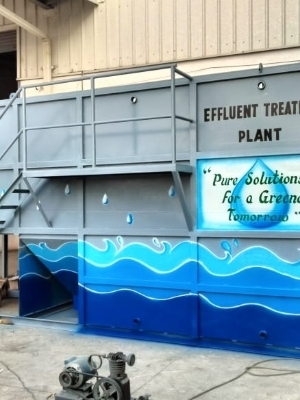
Tell us about your requirement

Price:
Quantity
Select Unit
- 50
- 100
- 200
- 250
- 500
- 1000+
Additional detail
Mobile number
Email

More Products in Sewage And Effluent Treatment Plant Category
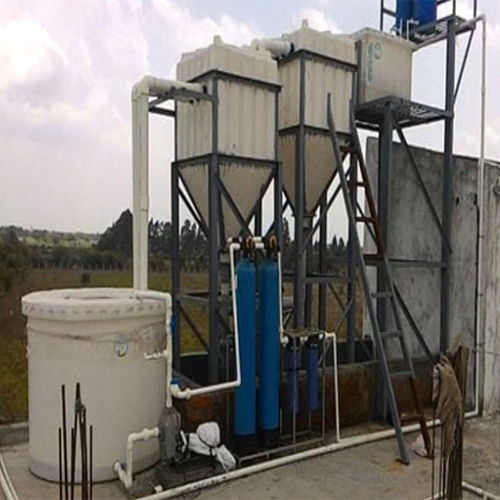
Effluent Treatment Plant for Paper, Food, Dairy & Process Industries
Price 550000.0 INR / Unit
Minimum Order Quantity : 1 Number
Material : Mild Steel
Power Source : Electric
Color : BLUE
Application : Industrial
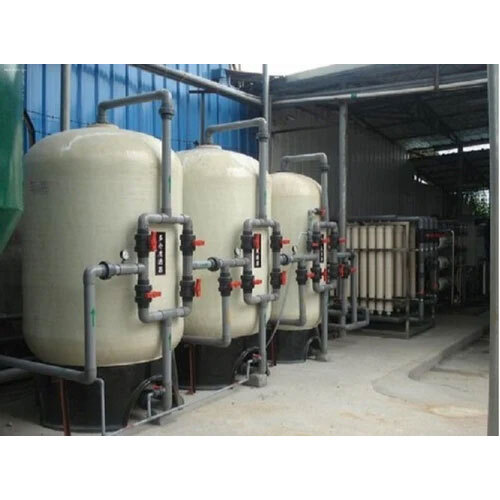
Sewage Treatment Plant
Price 500000 INR / Piece
Minimum Order Quantity : 10 Pieces
Material : Mild Steel
Power Source : Electric
Color : White
Application : Industrial
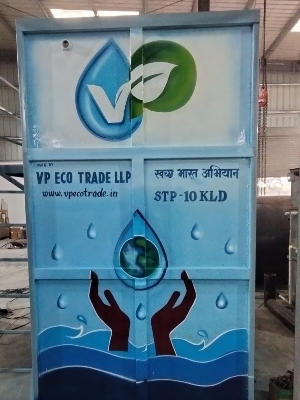
Packaged Sewage Treatment Plant
Price 750000 INR / Unit
Minimum Order Quantity : 1 Unit
Material : CI 2062
Power Source : 230VAC
Color : Smoke Grey
Application : STP
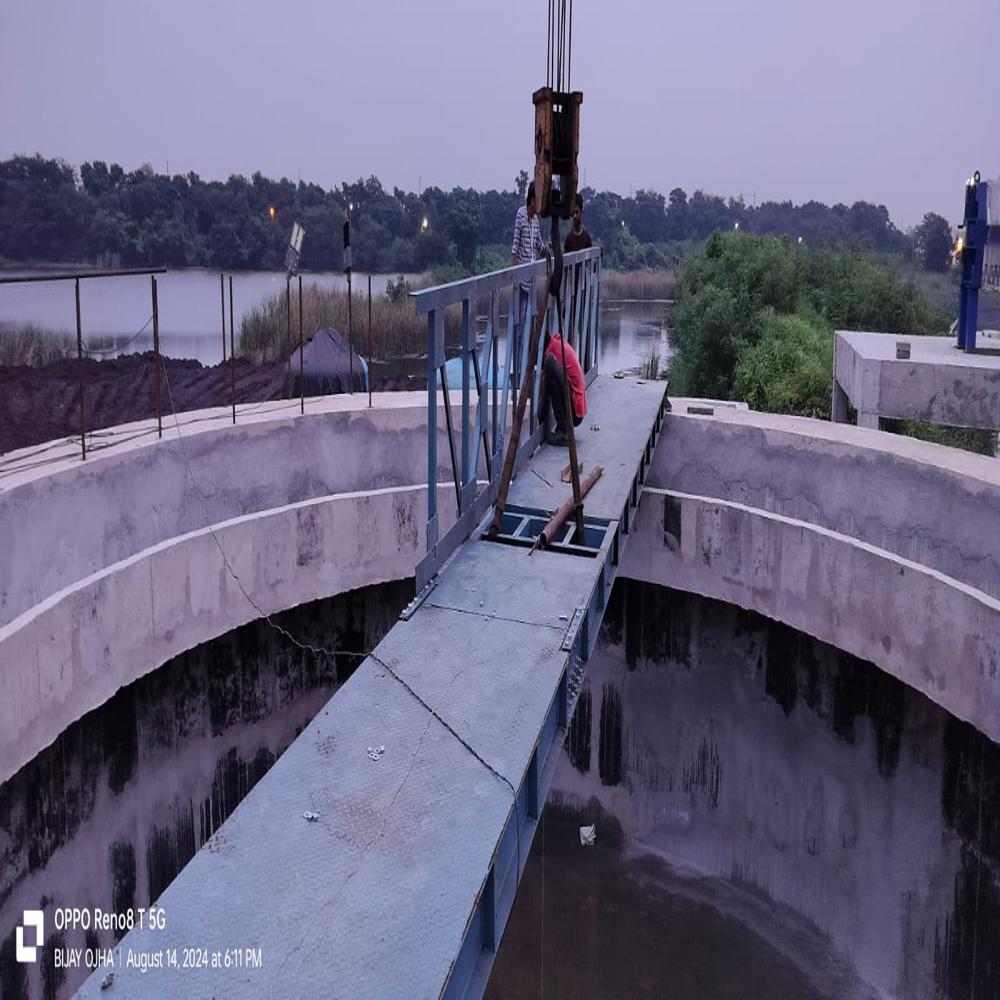
Industrial Clarrifier
Price 120000.0 INR / Number
Minimum Order Quantity : 1 Number
Material : Mild Steel
Power Source : Electrics
Color : brown
Application : Industrial

VP ECO TRADE LLP
GST : 27AAUFV4536G1ZM
GST : 27AAUFV4536G1ZM
Contact Details

- Head Office: Plot no 108, Shahu Layout, Khadgaon Road, Wadi,Nagpur - 440023, Maharashtra, India
- Phone : 07971258521
- Factory Address: Survey No. 238, Ward No 3, Khadgaon Road, Lava, Nagpur,
Maharashtra 440023
Contact Details: + 91- 9226515983
Warehouse: Plot No 104, Kohale Layout, Amravati Road, Wadi, Nagpur
Contact Details :+ 91-9657866689
Sales Office: Sr. No 77/1, B-9, Vishnumalati Industrial Estate, Shivane, Pune,Maharshtra, India-411023
Contact Details + 91-9860191455 / + 91- 9529949954

- Mr Vipul H. Bhoyar (Director)
- Mobile : 07971258521
- Mrs. Anushka Daphale (Proposal Engineer)
- Mobile : 07971258521


VP ECO TRADE LLP
All Rights Reserved.(Terms of Use)
Developed and Managed by Infocom Network Private Limited.
Developed and Managed by Infocom Network Private Limited.
